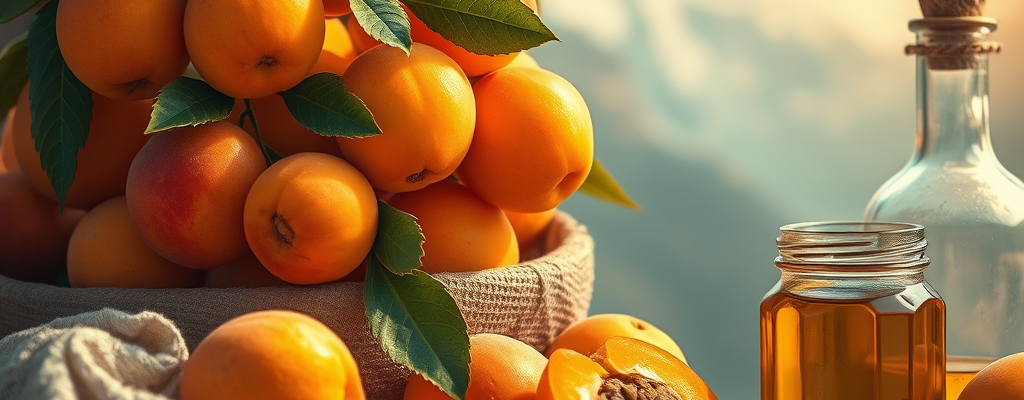

Discover how apricots — often discarded after processing — are being upcycled into biofuels, cosmetics, food products, and handicrafts. Learn how every part of the apricot can power sustainable livelihoods and a circular economy.
Among the region’s fruits — apples, apricots, plums, pears, and wild berries — the clear leader in upcycling potential is the apricot (Prunus armeniaca)
Why? Because every part of the apricot — fruit, kernel, shell, and even waste oil — can be reused. This makes it one of the most zero-waste fruits in the
Yet, despite their versatility, tons of apricot waste — fruit pulp, stones, and kernel shells — are often discarded after oil extraction or drying. This waste could instead be the cornerstone of a thriving circular economy in the mountains.
🌱 In a circular Himalayan economy, even a fruit pit can spark prosperity.
🍊 The Problem: Seasonal Surplus and Post-Harvest Loss
Each year, the Himalayan region produces over 15,000 tons of apricots, much of which ripens simultaneously during short summer windows.
Because of limited cold storage and transport, up to 40% of fresh fruit is lost — either rotting or being fed to livestock.
Meanwhile, the kernel (seed inside the stone), rich in oil and nutrients, is often underutilized or burned as fuel.
That’s where upcycling comes in — transforming every apricot part into a valuable, sustainable product.
♻️ Every Part Counts: How to Upcycle the Apricot
🧴 1️⃣ Kernel → Cold-Pressed Apricot Oil
The apricot kernel, once discarded, is a goldmine for skincare and health.
- Oil extraction: Kernels are dried, shelled, and cold-pressed to yield apricot kernel oil, rich in vitamin E and essential fatty acids.
- Uses: Cosmetics, hair serums, aromatherapy, and edible cooking oil.
- Waste reduction: The oil cake left behind can be turned into animal feed or exfoliating scrubs.
🌿 In Ladakh, women’s cooperatives have created a new micro-economy around apricot oil, supporting livelihoods while promoting natural beauty products.
🧃 2️⃣ Fruit Pulp → Value-Added Foods
The pulpy flesh — whether bruised or overripe — can be turned into:
- Jams, chutneys, and purees
- Apricot wine or vinegar through fermentation
- Dried apricot snacks or fruit leather for local tourism markets
🌞 Solar dryers powered by clean energy are already helping reduce post-harvest losses in Himachal’s remote valleys.
🔥 3️⃣ Stone Shells → Bioenergy & Activated Charcoal
The hard apricot stone that encases the kernel is an excellent biomass material.
- Crushed shells can be used for bio-briquettes, replacing wood or coal.
- Carbonized shells can be made into activated charcoal for air and water purification.
- Finely ground shells can even be used as natural exfoliants in eco-cosmetics.
🧼 4️⃣ Oil Cake & Residues → Natural Cosmetics
After pressing, the leftover kernel meal still contains nutrients and fiber.
It can be:
- Blended into organic scrubs and soaps
- Used as compost or organic fertilizer
- Mixed with herbal extracts for sustainable skincare formulations
🧵 5️⃣ Shell Crafts & Sustainable Design
The smooth, oval apricot shells can be:
- Polished and turned into eco-jewelry, beads, or buttons
- Crushed for decorative surfaces in furniture or wall art
- Used in eco-resin composites for design products
These low-tech, high-value uses create livelihood opportunities for rural artisans and women entrepreneurs.
🌍 Circular Impact: Environmental + Economic + Social
✅ Environmental:
Reduces organic waste, prevents methane emissions, and replaces fossil-based products.
✅ Economic:
Creates diversified income streams for farmers, especially women-led collectives.
✅ Social:
Revives traditional skills, supports local brands, and builds sustainable mountain communities.
🌄 A single apricot tree can sustain food, energy, art, and beauty — a true model of regenerative design.
🌺 The Bigger Picture: Apricot as a Circular Economy Hero
Apricot upcycling captures the essence of circularity — where natural abundance meets human ingenuity.
It is not just a sustainability practice; it’s an economic resilience strategy for communities facing climate change and isolation.
Imagine an entire valley where:
- Solar dryers turn surplus fruit into value-added products,
- Women’s cooperatives cold-press oil and craft natural cosmetics, and
- Local youth run eco-enterprises exporting Himalayan wellness globally.
Discover more from Sustrainegrenity
Subscribe to get the latest posts sent to your email.
