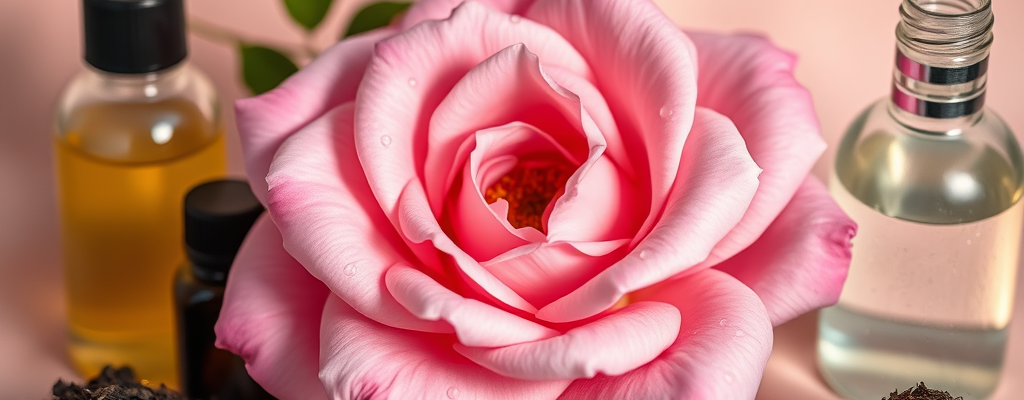

Discover how the Damask rose — famed for its fragrance — is being upcycled into essential oils, natural cosmetics, food ingredients, and compost. Learn how every petal and by-product can create a zero-waste, sustainable flower economy.
🌸 The Fragrant Heritage of the Rose
The Damask rose (Rosa damascena) blooms each summer, painting fields in shades of pink and perfuming the air with an unmistakable sweetness.Traditionally used to make gulab jal (rose water) and attar (natural perfume), the rose has been part of wellness, rituals, and beauty for centuries.
Yet, in modern floriculture, flower waste — petals after distillation, stems, and leaves — often ends up discarded, releasing methane as it decomposes. By contrast, a circular rose economy can transform every part of the flower into value, beauty, and livelihood.
🌹 The Problem: Petal Waste and Lost Potential
Every year, floriculture units and perfumery cooperatives generate tons of spent rose petals after distilling essential oil and rose water.
This organic waste, if unmanaged, contributes to:
- Soil and water pollution
- Greenhouse gas emissions from decomposition
- Loss of valuable organic matter
The irony? Those discarded petals are still rich in antioxidants, pigments, and aromatic compounds. With thoughtful upcycling, they can fuel a zero-waste revolution.
♻️ From Bloom to Boom: How to Upcycle the Rose
🌹 1️⃣ Essential Oil Extraction
The most prized product of the Damask rose is its essential oil (rose otto) — one of the most expensive natural oils in the world.
- Process: Fresh petals are steam-distilled to yield oil and hydrosol (rose water).
- By-products: Residual petals (called spent petals) can be reused for secondary distillation, composting, or dye extraction.
- Value: Just 1 kg of rose oil requires nearly 3,000–4,000 kg of petals — showing both the need and potential to utilize every leftover efficiently.
💧 2️⃣ Rose Water & Hydrosol
The rose hydrosol left from distillation is a natural toner, flavoring agent, and disinfectant.
- Used in skincare, wellness products, and food.
- Can also be stabilized naturally for a longer shelf life using mild preservatives or refrigeration.
- Upcycling opportunity: Mixing it with other botanicals (like lavender or mint) creates unique regional blends for the natural cosmetics market.
🍮 3️⃣ Culinary & Nutraceutical Uses
Roses are not just fragrant — they’re edible and rich in polyphenols, flavonoids, and vitamin C.
- Candied petals, jams (gulkand), and teas are traditional upcycled products.
- Spent petals can be turned into flavoring syrups or herbal infusions.
- Petal extracts can be used in natural food coloring and nutraceutical capsules.
🧴 4️⃣ Natural Cosmetics & Aromatherapy
Residual rose biomass can be used to make:
- Face masks, scrubs, and soaps (with petal powder or oil cake)
- Bath salts and potpourri
- Essential oil blends with lavender, geranium, or lemongrass
By integrating rose by-products into artisan cosmetics, entrepreneurs are building a new identity for sustainable, natural beauty — clean, circular, and climate-conscious.
🌿 5️⃣ Compost, Bioenzymes & Biochar
After extraction, petals, stems, and leaves can be composted into organic manure rich in trace nutrients.
Alternatively:
- Ferment them into bioenzymes for eco-cleaning.
- Carbonize them into biochar to enhance soil fertility and carbon sequestration.
🌱 Circular advantage: Composting floriculture waste closes the loop by returning nutrients to the same soil that grew the roses.
🎨 6️⃣ Natural Pigments & Artisanal Crafts
Rose petals yield natural red, pink, and violet dyes, perfect for:
- Handcrafted textiles and handmade paper
- Natural inks and eco-art materials
- Biodegradable confetti for sustainable events
This helps link floriculture with creative industries — expanding the economic base for rural artisans.
🌍 The Triple Win: Environment, Economy, Empowerment
✅ Environmental: Reduces organic waste, methane emissions, and chemical dependence.
✅ Economic: Creates diverse revenue streams from one crop.
✅ Social: Strengthens women-led cooperatives and local entrepreneurship.
🌹 Every petal counts when we design for circularity instead of consumption.
🌺 Case Study: The Rose Renaissance
In Palampur, Himachal Pradesh, local women’s cooperatives supported by agricultural universities have started small distillation units using solar stills.
- Fresh petals → Rose oil & rose water
- Spent petals → Compost & natural dyes
- Oil cake → Scrubs & soaps
The result?
- Income increased by 40–60% for rural women.
- Zero floral waste achieved in seasonal operations.
- A regional brand identity: “Pure Indian Rose.”
🌸 Final Thought
🌹 The rose teaches us that sustainability can be both fragrant and functional.
From essential oils to compost, every stage of rose upcycling shows how we can design circular systems that nourish both nature and livelihoods.
When every petal and leaf is valued, the flower becomes more than a source of fragrance — it becomes a symbol of regenerative design and social innovation.
Discover more from Sustrainegrenity
Subscribe to get the latest posts sent to your email.
