1. Introduction
Asia is an enormous continent of diverse ecosystems — from high mountains to tropical forests to island archipelagos — and home to myriad Indigenous and traditional peoples whose craft traditions reflect deep relationships with place, materials and culture. In this chapter we examine key handicraft techniques and styles in Asia, looking at materials and sourcing, techniques and production, regional styles, and sustainability and cultural continuity.
2. Textile, Weaving & Surface Decoration

6
Materials & Environment
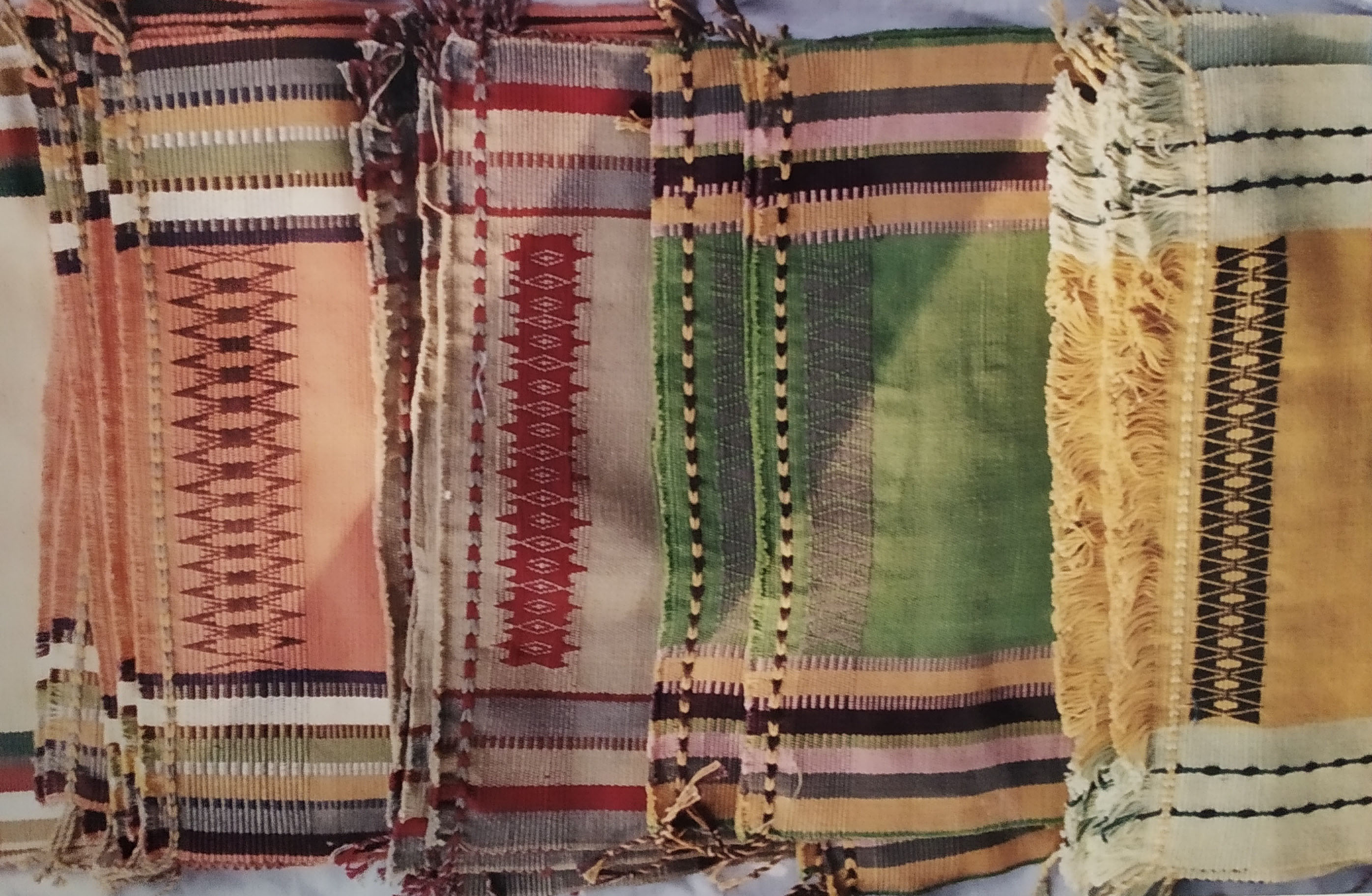
- Many Asian Indigenous communities use locally grown or collected fibres: cotton, silk (including wild silk / eri silk in Northeast India), hemp, nettle-or stinging-nettle fibres (e.g., the Tangaliya work in Gujarat, India). Wikipedia+2Outlook India+2
- Natural dyes drawn from plants, roots, insects, minerals are common. For example the Bagh print technique in Madhya Pradesh, India uses vegetable colours and locally-sourced alums. Wikipedia
- Fibre and loom techniques are often adapted to local environments (mountain looms, back-strap looms, small village looms) and local raw-material cycles.
Techniques
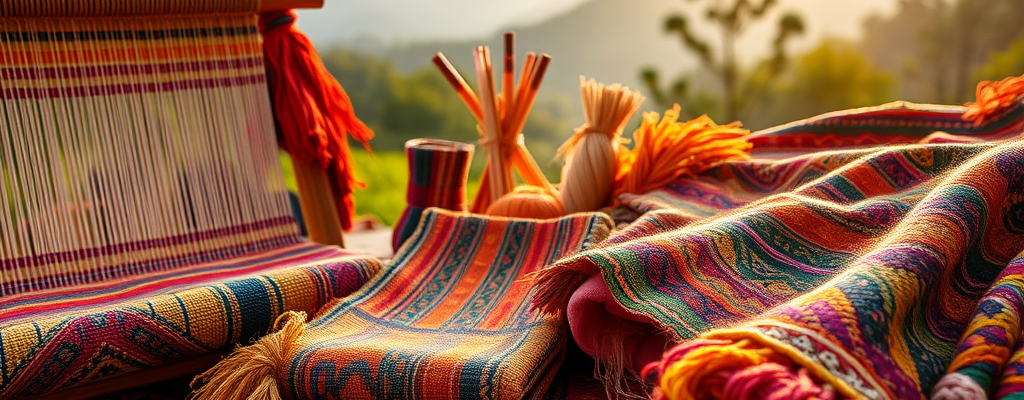
- Hand-loom weaving: Many tribal groups in northeast India and elsewhere use vertical or back-strap looms to weave shawls, blankets, garments. Outlook India+1
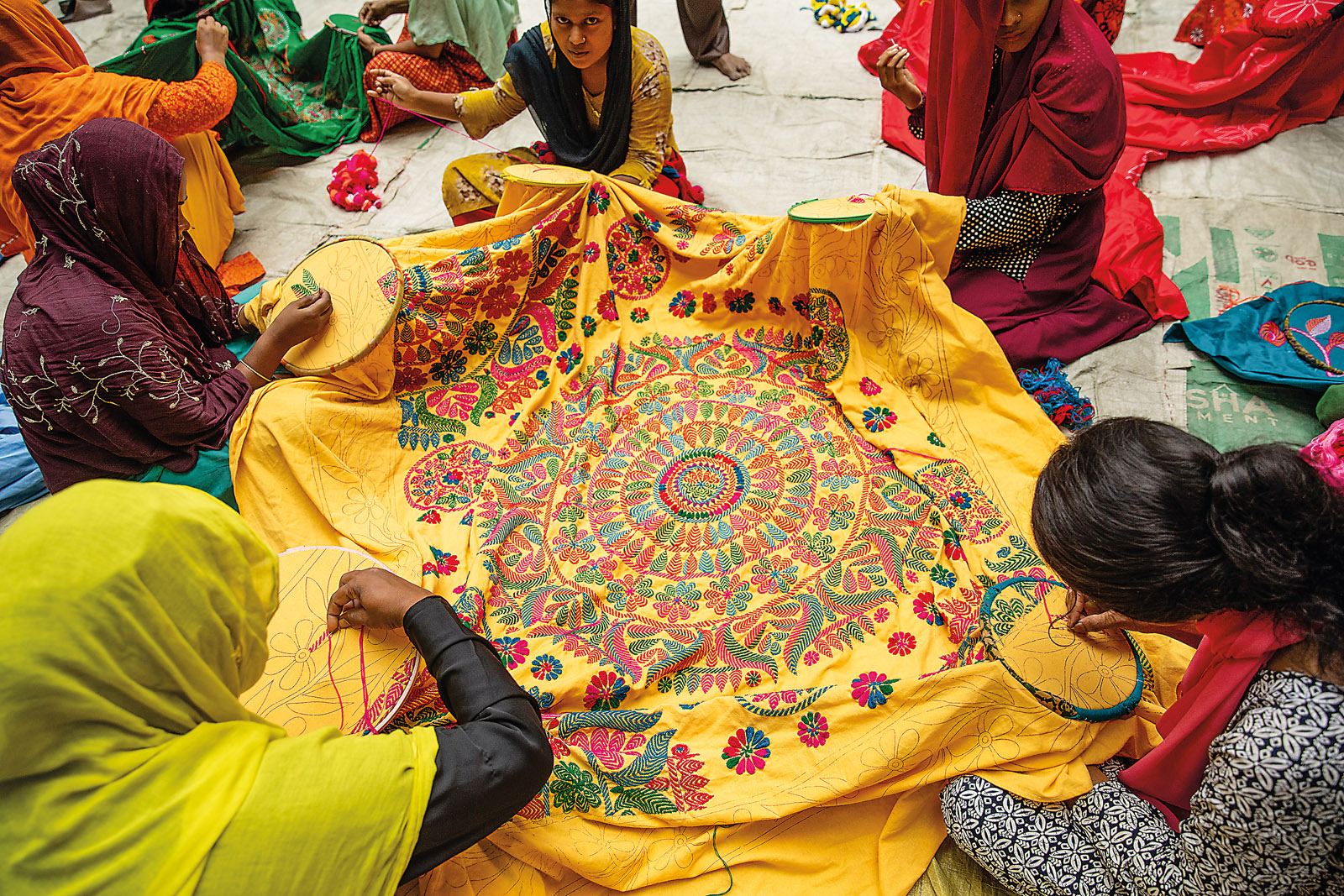
- Embroidery & applique: for example the Bengal region’s Nakshi Kantha embroidered quilt uses old cloth, running-stitch embroidery and traditional motifs. Wikipedia
- Block-printing & resist-techniques: The Bagh print uses hand-carved wooden blocks to print natural-dye motifs on cloth. Wikipedia
Regional Styles & Significance
- In the Himalayan foothills (e.g., Sikkim) weavers of the Indigenous Lepcha community produce woven scarves and textiles using nettle-derived yarns and natural dyes. Outlook India
- In northeast India (Assam, Nagaland, Mizoram) bamboo & cane crafts combine with weaving traditions, and tribal motifs signify identity, status and ritual. shilpstory.com+1
- In broader South Asia and Southeast Asia weaving and textile craft carry social-meaning: cloth as gift, cloth as identity, and motifs as cultural memory.
Sustainability & Cultural Continuity
- Textile crafts with local fibre and natural dyes represent lower-impact production (less industrial input, local materials, hand-skill).
- They preserve intangible heritage: weaving, embroidery, loom-technique passed across generations.
- Yet many face pressures: younger generations shifting to other occupations, loss of raw-material access (wild silk worms, natural dyes), and competition from mass-produced machine cloth. Sustaining the craft means supporting artisan networks, protecting fibre-sources, and linking craft to ethical market opportunities.
3. Bamboo, Cane & Natural-Material Crafts

6
Materials & Environment
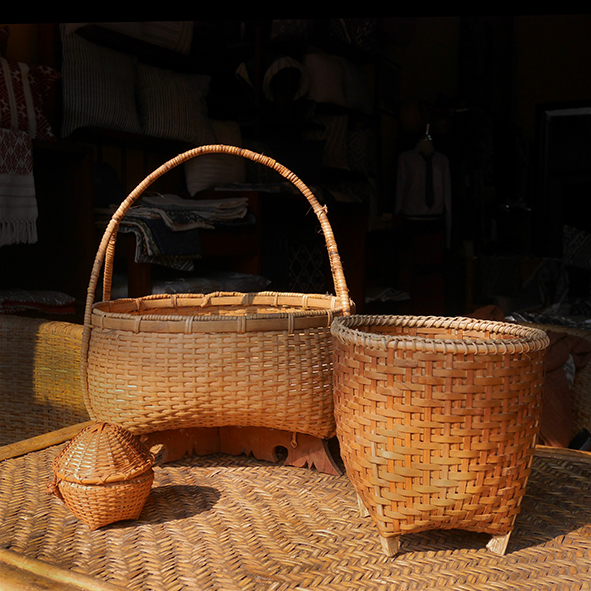
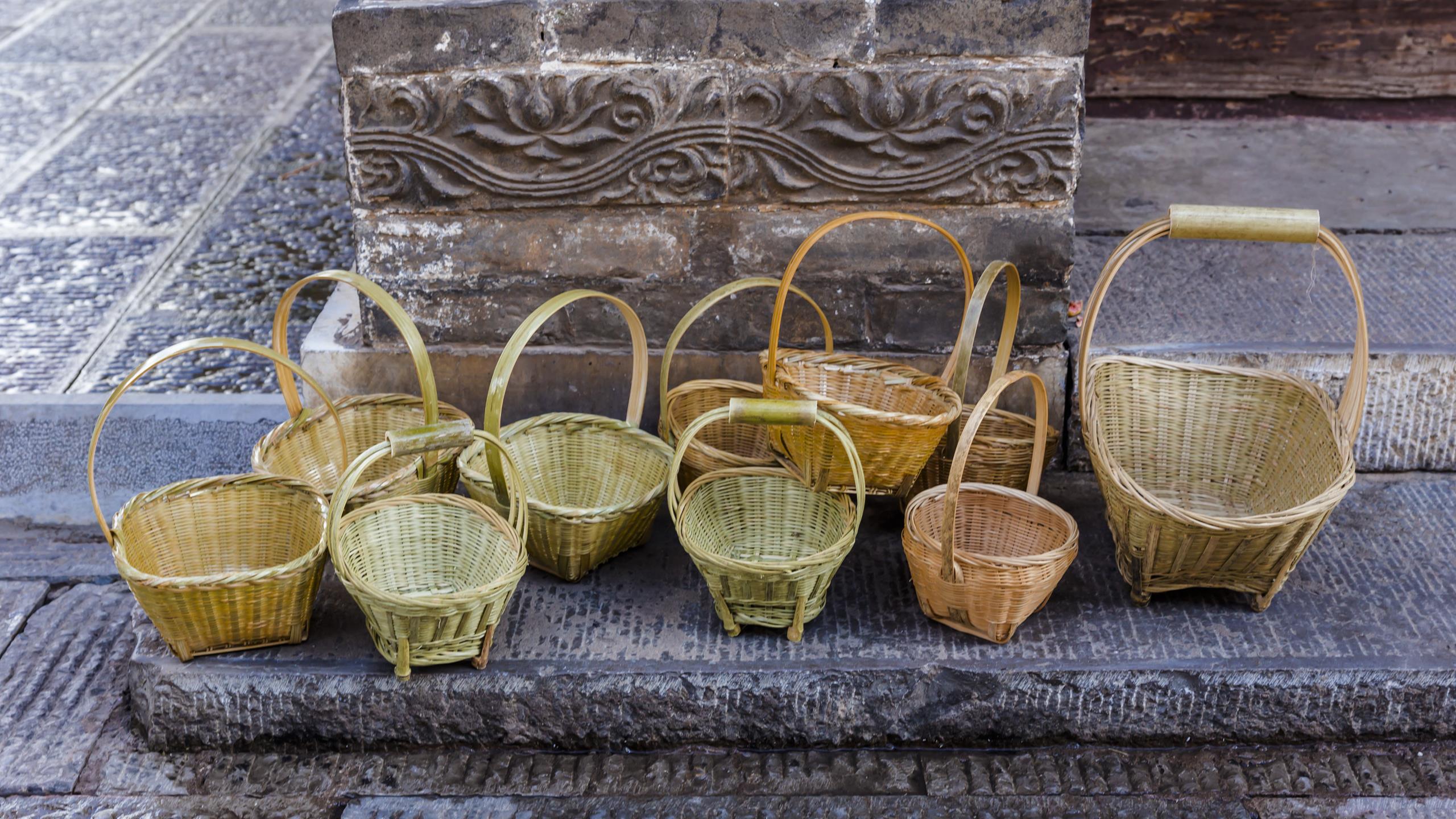
- Bamboo, cane, reed and rattan are widely available in many Asian regions. Bamboo grows quickly and regenerates, making it a sustainable raw-material when managed properly. For example, the Japanese tradition of bamboo weaving is both craft and sustainability practice.
- In India and Nepal the Sikki grass craft uses a fine grass fibre from the plains, hand-processed and woven into baskets and boxes. Wikipedia
Techniques
- Plaiting, coiling, twining: Bamboo strips are manually split, soaked and woven or coiled to form baskets, storage containers, hats, mats.
- Dyeing and decorative weaving: In some cases, dyed bamboo cane is used to create patterned decorative baskets.
- Hybrid craft: combining bamboo cane and textiles (handles, trim) or local leather/wood for hybrid objects.
Styles & Region
- In Northeast India (Mizoram) bamboo and cane weaving produce stools, baskets, hat-forms and decorative items. Wikipedia
- In Southeast Asia (Vietnam, Laos) bamboo-and-rattan villages produce baskets, trays, containers used for food, storage, daily life.
- In Japan and East Asia, refined bamboo craft (baskets, tea-ceremony containers) uses high technical skill and minimalistic aesthetic.
Sustainability & Cultural Continuity
- These crafts highlight circular material flows: bamboo stands can be sustainably managed; manual skill dominates over industrial machinery; final products are repairable, long-lasting.
- Supporting such craft traditions means safeguarding forests, promoting regenerative harvesting of bamboo/cane, ensuring fair artisan markets and valuing craft beyond novelty or tourism trinkets.
4. Pottery, Ceramics & Other Hand-Built Works

6
Materials & Technique Foundations
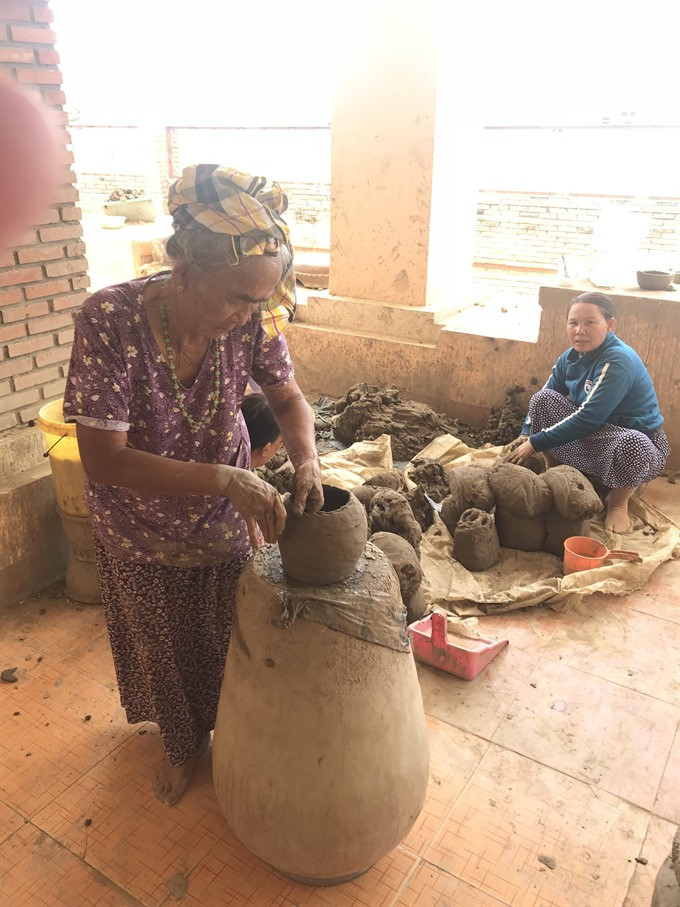
- Clay and tempering materials (sand, grog, organic fibre) are sourced locally; many potters build vessels manually (coiling, pinching) rather than using mechanised wheels.
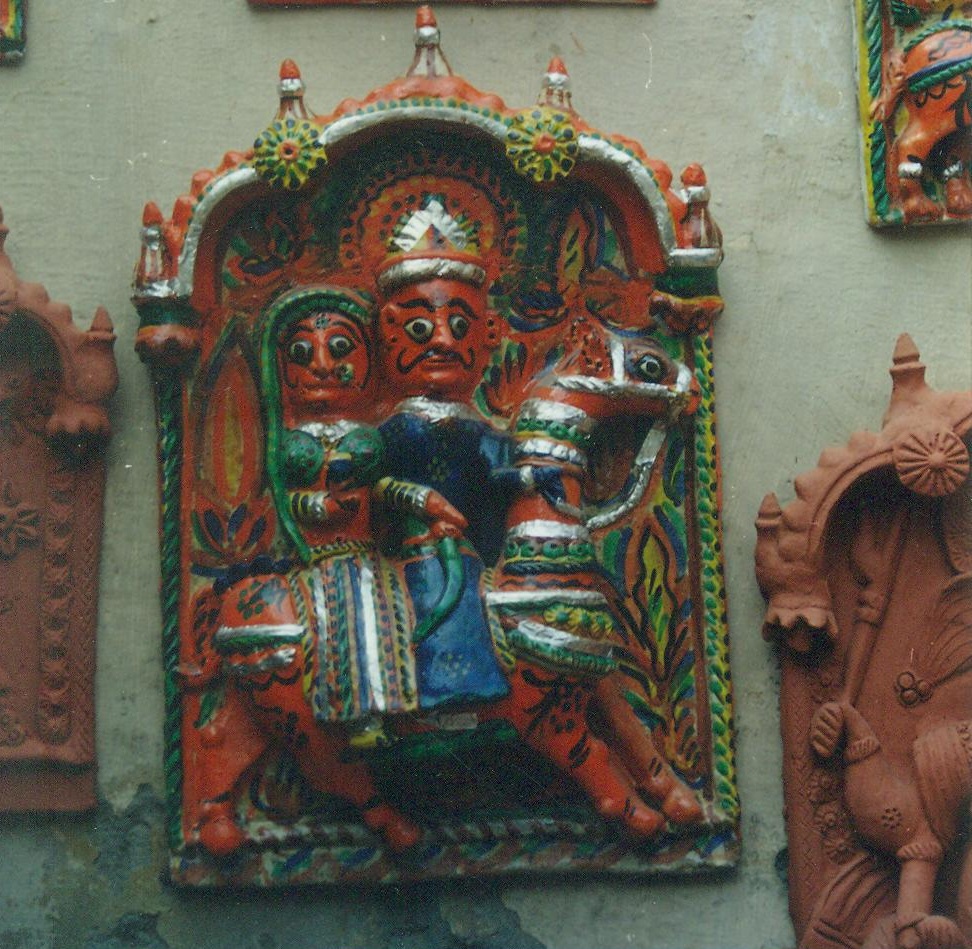
- One example: the Molela terracotta craft in Rajasthan (India) uses local red-clay slabs, shallow relief modeling, sun-drying and kiln firing. Wikipedia
Regional Styles & Forms
- In tribal areas across India, hand-built pottery serves storage, cooking, ritual uses; forms and decoration vary regionally. shilpstory.com
- In Southeast Asia, some villages maintain traditional earthenware forms for cooking or ceremonial use, with minimal glaze or decoration.
- Pottery often connects to cultural beliefs: motifs may depict animal or plant life, mythic beings or ritual symbolism.
Sustainability & Cultural Dimensions
- Local clay and wood/dung-fired kilns are low-tech relative to industrial ceramics — lower carbon footprint, local production, less exposure to global supply chains.
- The craft supports community livelihood, cultural heritage and material continuity. However, challenges include competition from mass-produced ceramics, loss of local clay sources, and youth migration away from craft.
5. Carving, Woodwork & Hybrid Materials

6
Materials & Techniques
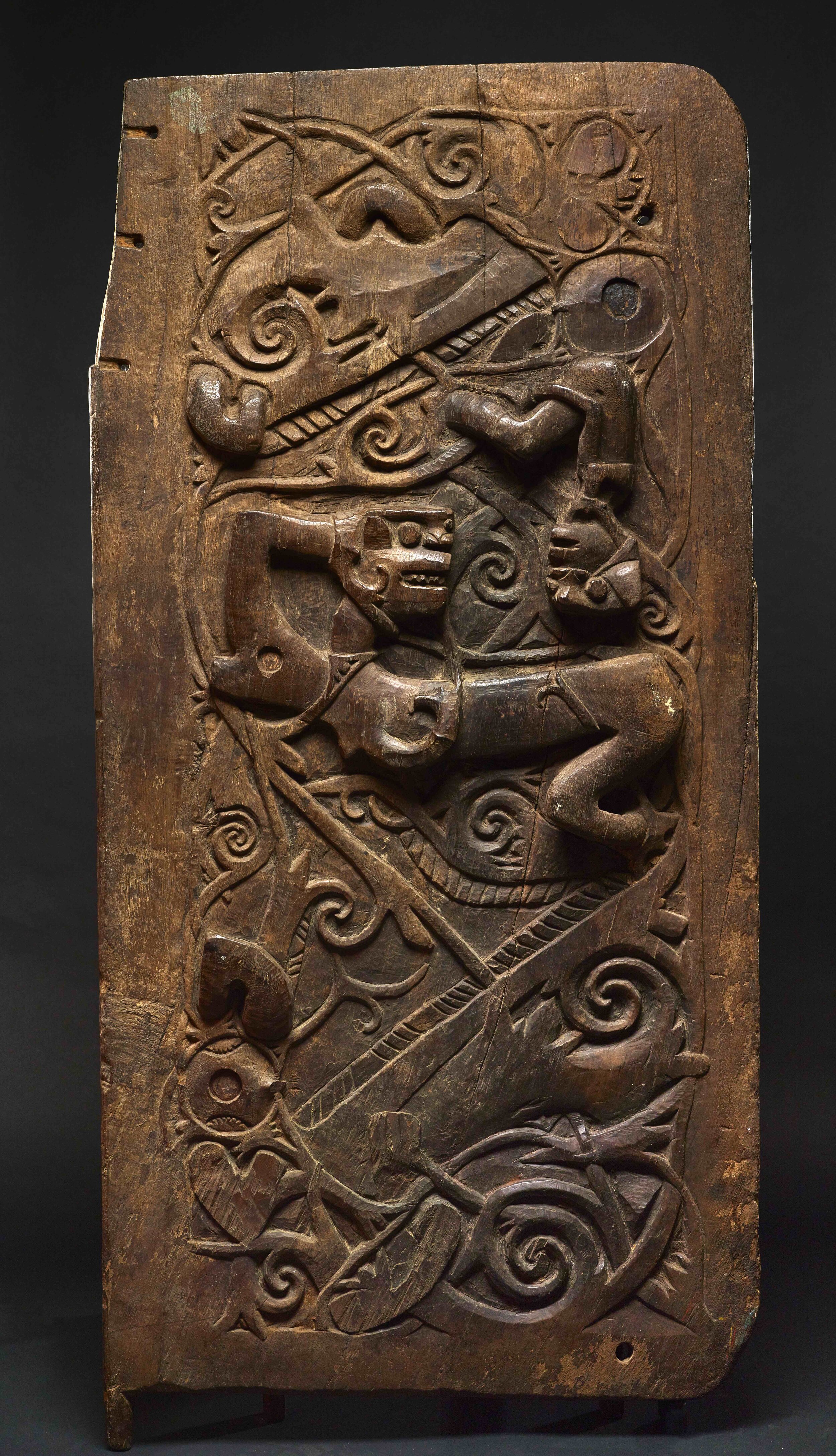
- Wood carving: In some Himalayan tribes or Southeast Asian hill-tribes, carved wooden utensils, figurines, mask-forms, architectural elements are produced using hand-tools.
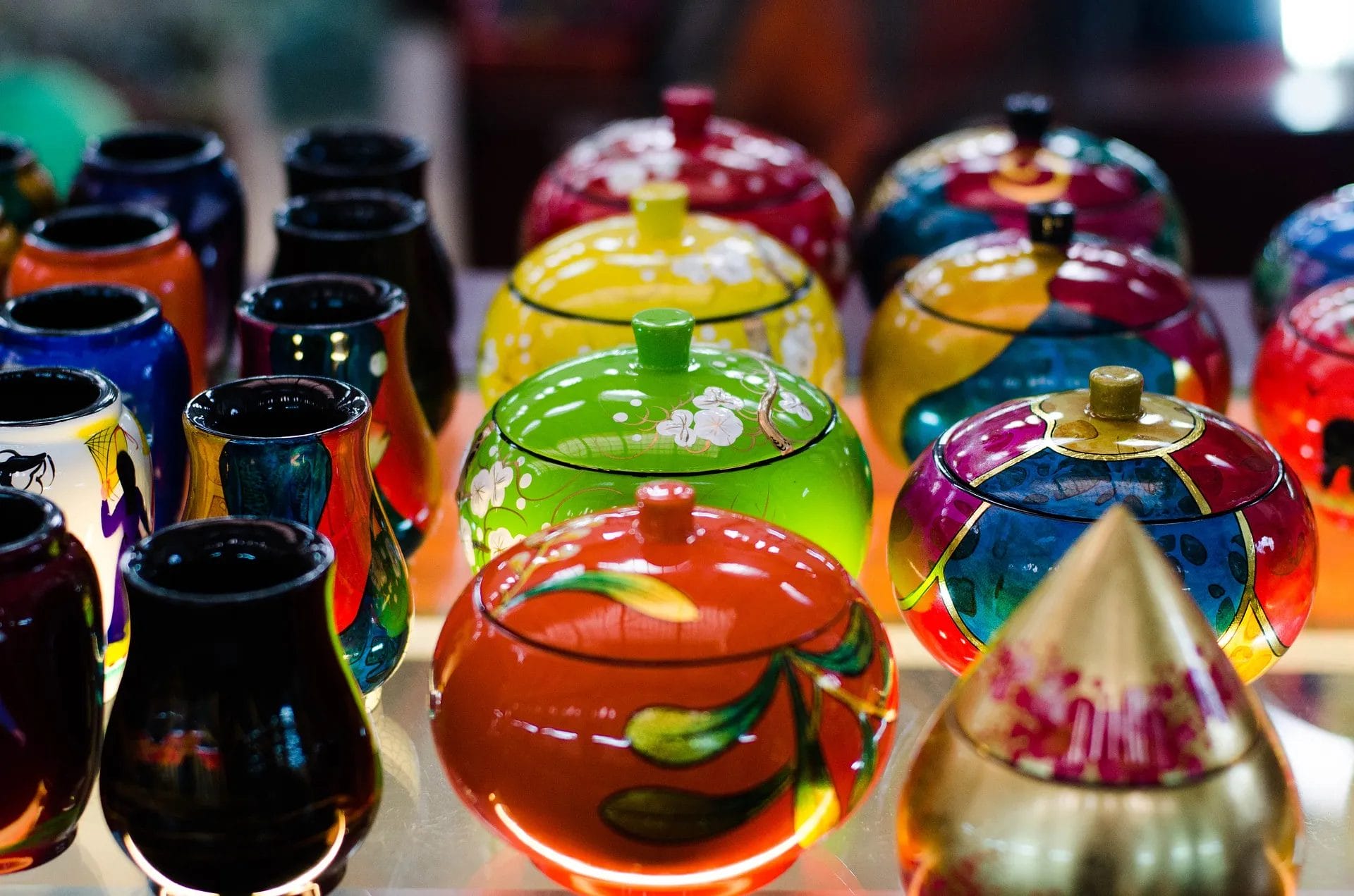
- Lacquerware: For example, in Vietnam the traditional lacquer craft uses resin from Rhus succedanea, multiple layers, sanding and polishing — a highly skilled process. Oriental Artisan
- Mixed-media: Wood, shell, bone, fibre may combine in decorative pieces, jewellery or utensils.
Styles & Cultural Significance
- Lacquerware pieces reflect environment and cosmology: motifs of nature, animals, symbolism of prosperity and fine craftsmanship.
- Carved wood may reflect ancestral lineage, ritual use, functional everyday objects.
- Regional aesthetic signatures: For example, gold or silver leaf application, inlay work, high-polish finishes.
Sustainability & Cultural Continuity
- Sustainable sourcing of wood and natural resins is crucial — particularly to avoid deforestation or overharvesting.
- The deep craftsmanship required creates high value and longevity, which aligns with sustainable production (versus fast decorative objects).
- Keeping the skill alive means supporting artisan training, inter-generational transmission and ensuring that raw-material ecosystems remain healthy.
6. Cross-Regional Themes: Sustainability, Adaptation & Market
Sustainability
- Across Asian Indigenous and traditional crafts we see local-material sourcing, low-tech labour-intensive production, items built for durability and cultural continuity rather than disposable mass-production.
- The crafts reflect a symbiosis of material, place, culture and community.
Adaptation & Market Pressures
- Pressures include globalisation, competition from cheap machine-made alternatives, raw-material depletion, artisan migration to urban areas.
- Yet there is opportunity: revival of traditional textiles (e.g., GI-tagged Tangaliya work), niche markets for high-quality craft, ethical export potential. Wikipedia
- Craft tourism and digital platforms can help artisans reach broader markets — provided the model remains community-led, fair-trade and culturally respectful.
Ethical Considerations & Cultural Respect
- Craft is embedded in cultural identity: motifs, techniques, materials often carry meaning. Buyers and professionals must respect provenance, support Indigenous-owned enterprises, avoid appropriation.
- For sustainability professionals, there must be attention to the full value chain: raw-material harvest, artisan labour, fair remuneration, environmental impact and craft heritage.
7. Summary & Reflection
The handicrafts of Indigenous Asia present rich, layered intersections of place, material, culture and economy. In a handmade textile, a bamboo-woven basket, a lacquered bowl or carved wooden object, one finds generations of knowledge, responsibility to material ecosystems, and a path of sustainable craft production. For a sustainability professional, key lessons:
- Material-site connection: production grounded in local ecosystem and material cycle.
- Labour value & durability: handmade crafts emphasise skill, value time, and create durable objects.
- Cultural sustainability: craft supports identity, inter-generational knowledge and community resilience.
- Economy of craft: handicrafts offer localized livelihoods, and ethical markets can foster sustainable futures.
- Adaptive resilience: tradition adapts to modern markets, new materials or platforms while retaining core identity — a model of sustainable innovation.
8. Suggested Further Reading & Field-Visits
- Explore weaving villages in Northeast India (Assam, Nagaland, Mizoram) to see bamboo/cane crafts and tribal textiles.
- Visit the lacquerware workshops in Vietnam for insight into multi-stage craft production.
- Research GI-tagged crafts (Tangaliya, Bagh print) for craft-heritage + market-link models.
Discover more from Sustrainegrenity
Subscribe to get the latest posts sent to your email.
