
In this blog we explore the rich and diverse handicraft traditions of Indigenous peoples across South America. From the Andean highlands to the Amazon Basin and the Pacific coast, handicrafts are profoundly connected to place, community, mobility, and the environment. We will look at major craft techniques, stylistic features, materials and sourcing, and consider the sustainability and cultural significance of these practices.
1. Introduction
South America is home to a wide variety of Indigenous cultures, each with its own environment — mountains, deserts, rainforest, coastal plains — and each environment has influenced the craft materials and techniques used. Handicrafts here are not just decorative but serve everyday use, spiritual functions, identity formation and sustainable livelihoods. In surveying the major craft categories we will emphasise: (a) materials and how they are sourced; (b) technique and process; (c) regional style and variation; (d) sustainability and contemporary relevance.
2. Textile & Weaving Traditions

6
Materials & Environment
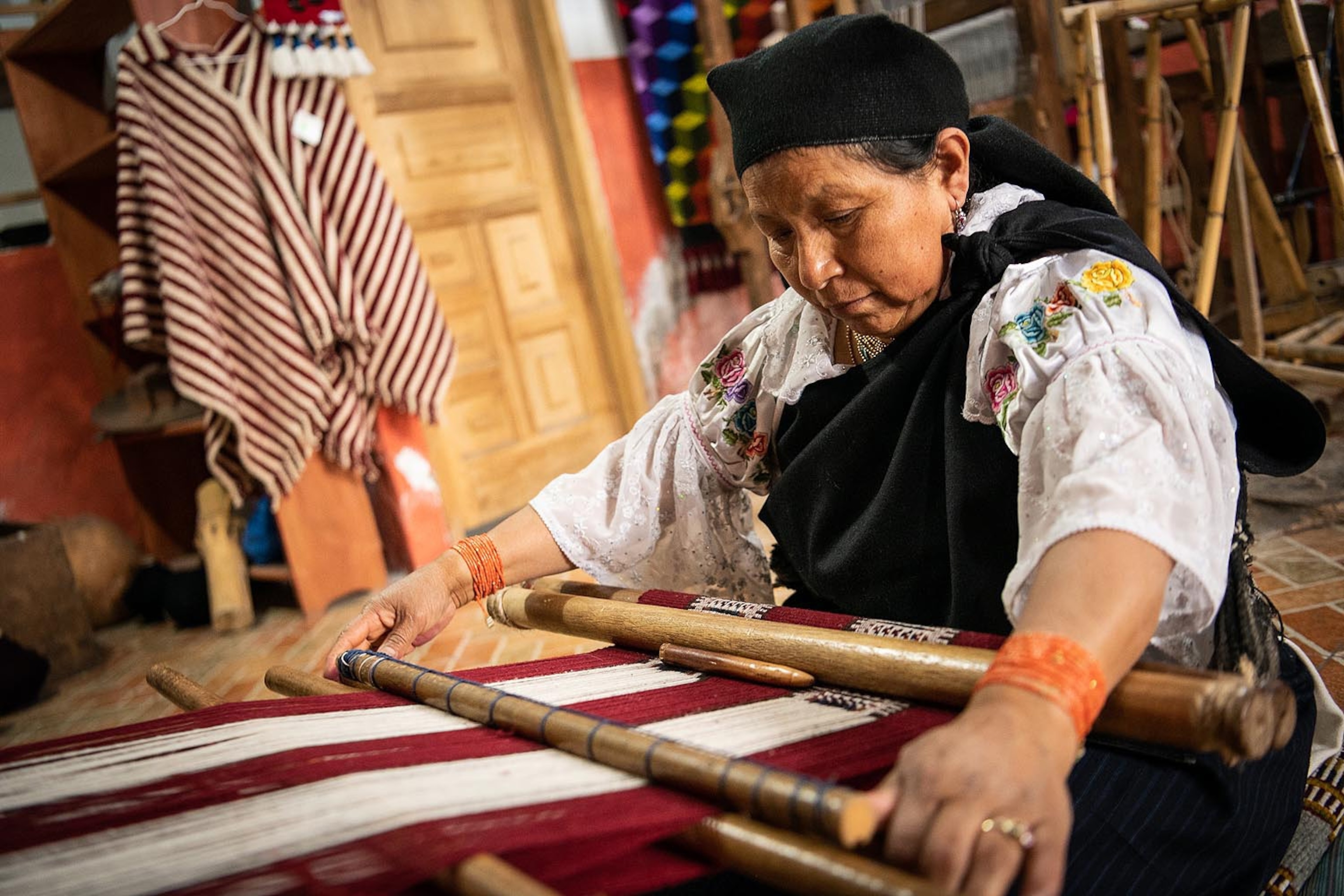
- In the Andean region, wool from llamas, alpacas and sheep provide fibre for weaving blankets, ponchos, and textiles. For example, in Argentina’s highlands the wool is used to create blankets, chals, socks and scarves. autenticasalta.com+1
- In lower altitude coastal and rainforest areas, cotton and plant fibres (such as palm, fique, etc) are used for weaving bags, hats and mats. sotupa.pe+1
- Dyes often come from natural sources: plants, roots, insects, minerals. For example: In Ecuador the vibrant colours used in Andean textiles derive from natural dyes. turismoecuador24.com
Techniques
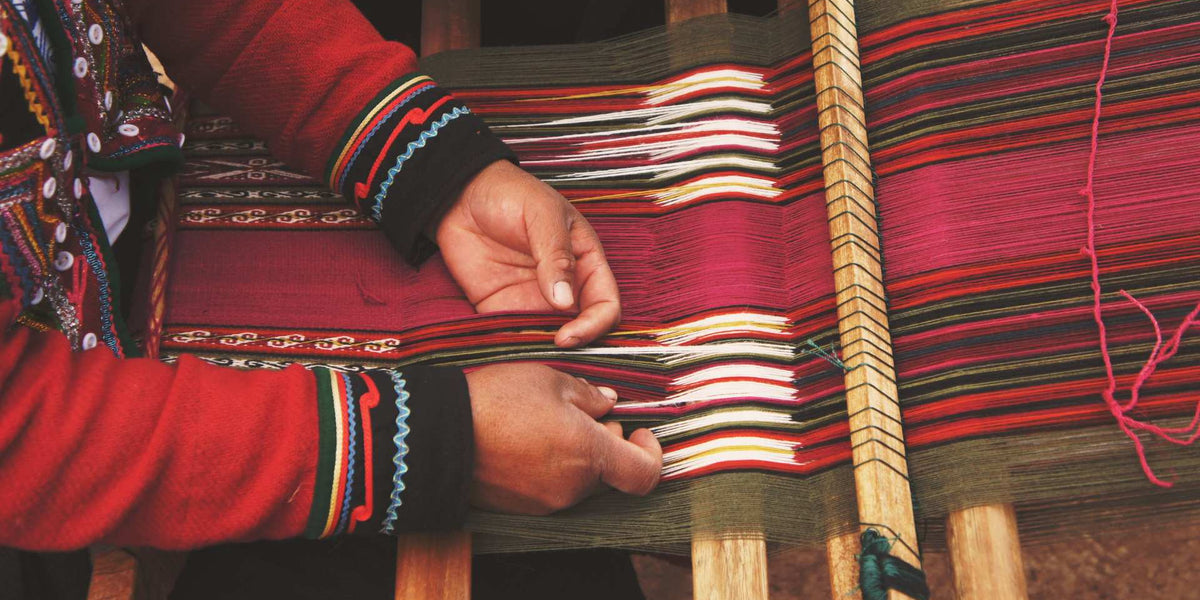
- Back-strap or treadle looms are used in the Andes. Weaving is done by hand, often with complex patterning.
- Bag weaving: For example, in Colombia the Wayuu people use a hand-woven technique to create mochila bags: weaving strong coloured threads into geometric and figurative motifs. Mochil
- Textile revival: There is a resurgence in traditional weaving, with artisans combining ancestral technique with new markets and sustainable frameworks. Fibre2Fashion
Styles & Region
- In the Andes, textiles often feature geometric motifs, symbolic representations of nature (mountains, animals) or cosmological meaning, and are worn as ponchos or blankets. autenticasalta.com
- In the Colombian rainforest region, weaving using palm and cotton produces durable bags or containers that reflect local plants and animals in their design.
- Colours: Many crafts are very colourful — representing flora/fauna, environment, and identity.
Sustainability & Cultural Continuity
- Because the raw materials are local, and the labour is hand-made, weaving forms are inherently low in environmental footprint (relative to industrial textiles).
- Weaving often remains a community practice: transmitted across generations, with social and cultural meaning.
- However, crafts face pressure from mass-production and loss of local fibre sources; thus efforts to revive, sustain and market these textiles ethically are critical.
3. Pottery, Ceramics & Earthen Crafts

6
Materials & Technique Foundations
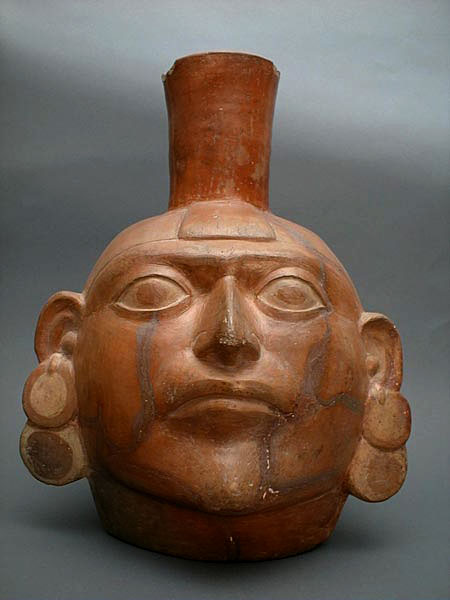
- Indigenous potters dig local clay, mix with tempering materials (sand, crushed pottery, plant ashes) and hand-form or coil vessels. Decoration may include incising, painting, slips and natural pigments.
- For example: The decorative technique of slip-painting in northern Andean cultures used mineral pigments (e.g., goethite for yellow, manganese for black) to create strong patterns. My Blog
- In Amazonian regions, pottery may depict local fauna and flora, often referencing Indigenous cosmology. sotupa.pe
Styles & Regional Forms
- In the Andes, pottery is often both functional (storage, cooking) and decorative (ceremonial vessels). Symbolism may refer to water, maize, animals, or mythic beings.
- In the Amazon, ceramic vessels may be shaped like animals, or decorated with motifs tied to rainforest environment and Indigenous narratives.
- In coastal South America, archaeological traditions show very high craft skill in pottery — evidencing long continuity. Encyclopedia Britannica
Sustainability & Cultural Dimensions
- Pottery is inherently local: raw materials are near the craft location; fuel for firing is often locally managed (wood, dung, natural fuel) meaning relatively low transport footprint.
- Many potters still use traditional methods and aim to sustain craft as both cultural practice and economic livelihood.
- From a sustainability perspective, the forms emphasise durability, utility, cultural meaning more than simply decorative mass-production.
4. Basketry, Fiber, Palm & Natural Material Crafts
6
Materials & Techniques
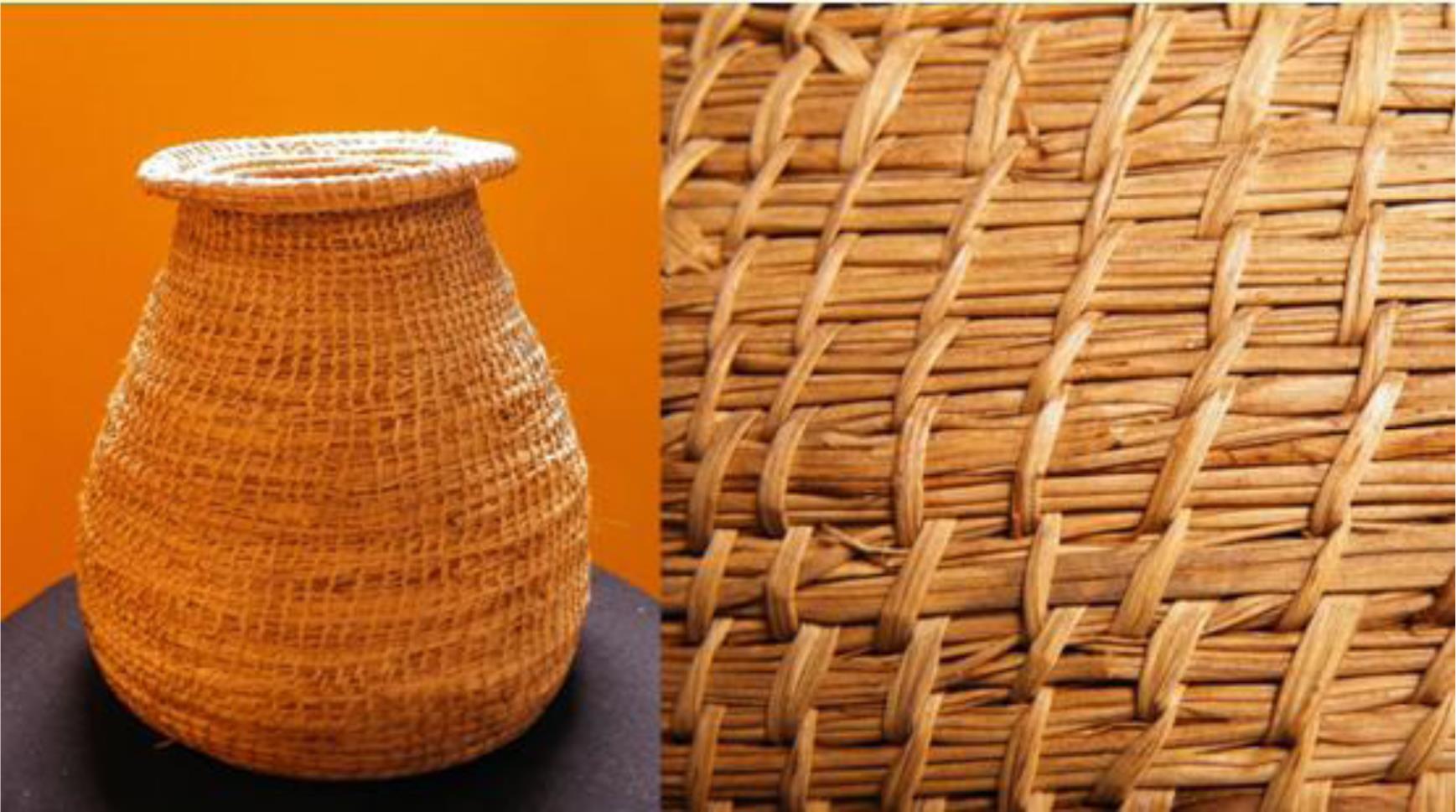
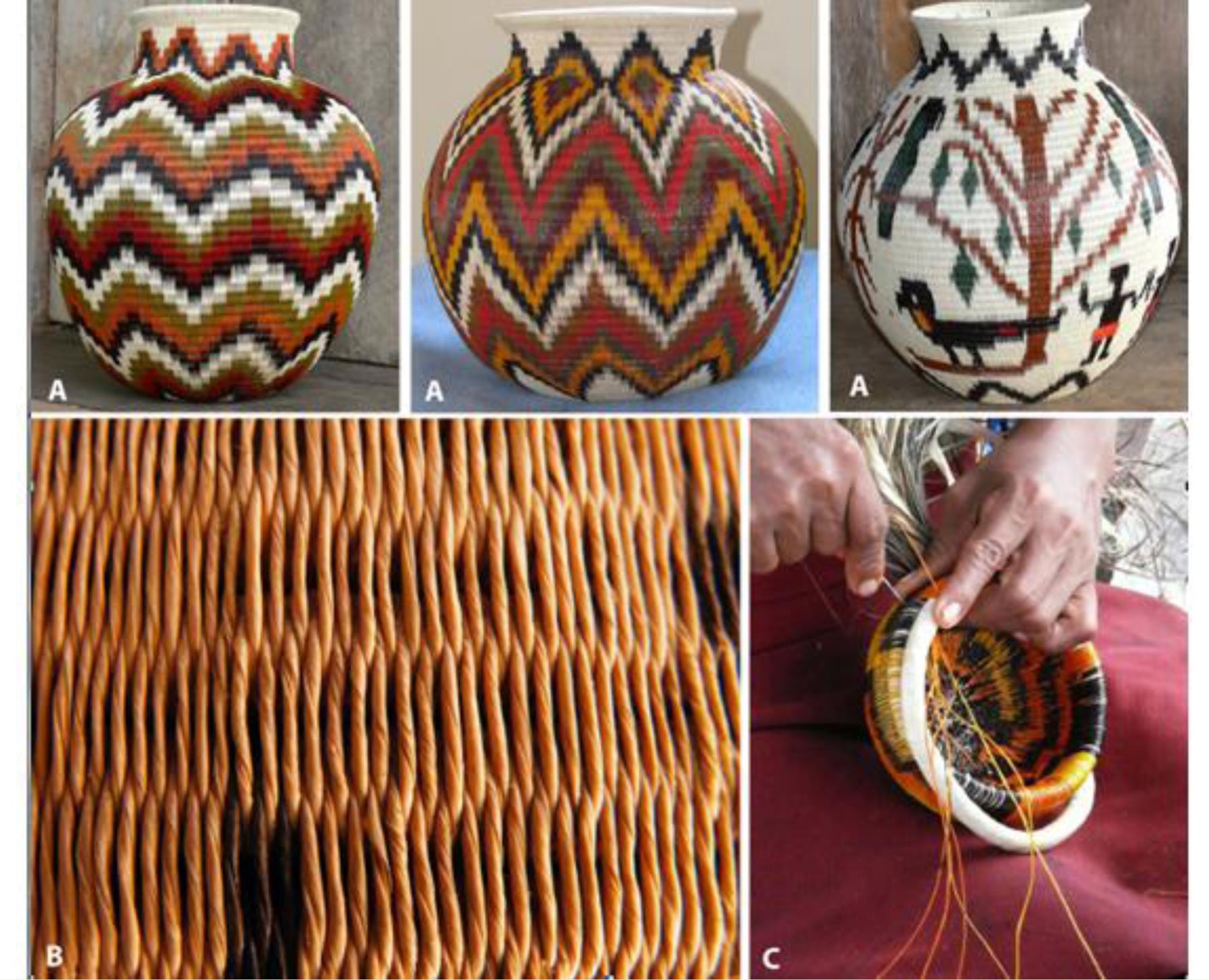
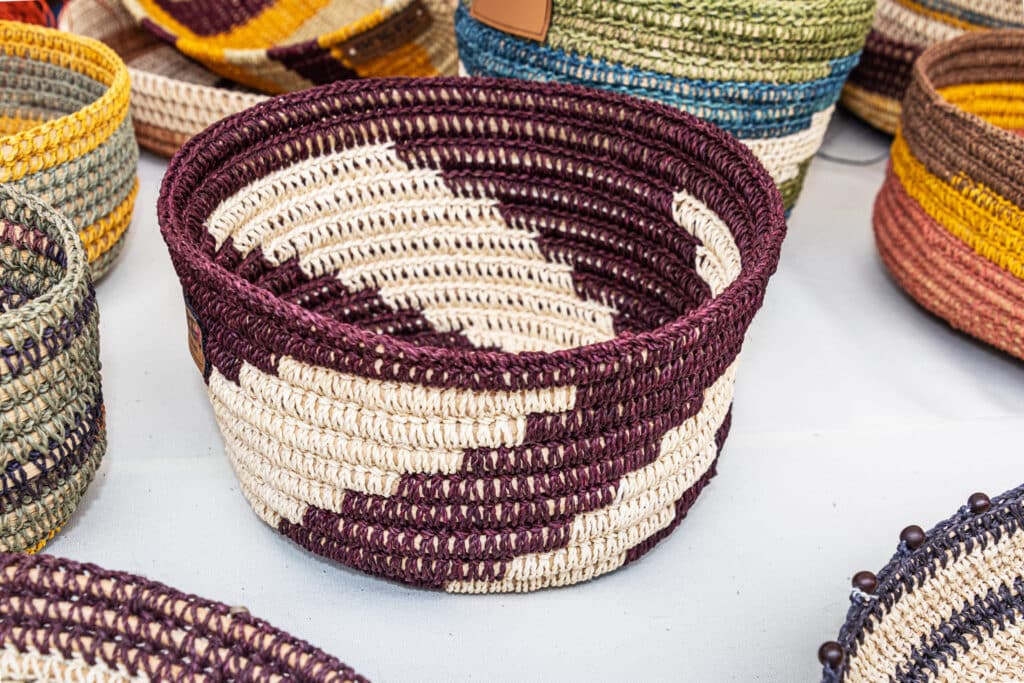
- Palm fibres, reeds, grasses, local vines: many Indigenous South American handicrafts use these natural fibre materials. Execution may include twining, plaiting, coiling.
- For example: In southern Chile, Mapuche and other Indigenous communities use fibres like boqui, ñocha, quilineja to make baskets, mats and other fibre items. ecordua.com
- In Colombia the rolled-fique basketry: artisans use a core of fique (local agave fibre) wrapped with coloured cotton thread to build spiral vessels. Remote Expeditions
Stylistic Variations & Regional Forms
- In forest-oriented areas (Amazon, southern temperate forests), basketry may be both functional (for gathering, carrying) and decorative (mats, hats).
- In coastal and archipelago areas fibre crafts may be adapted to local conditions (winds, salt, maritime environment).
- The colours, patterns and forms often communicate identity — clan, region, materials — and may be used in trade as well as daily life.
Sustainability & Cultural Resilience
- Fibre crafts are excellent examples of low-carbon, local-material craft production: materials grow locally, craft is manual, and artefacts are durable or repairable.
- These crafts help maintain Indigenous connection to land: harvesting fibres, respecting regeneration cycles, passing skill to younger makers.
- In markets, fibre crafts provide income for communities, but ensuring fair compensation, cultural recognition and sustainable harvesting is key.
5. Wood, Carving & Natural-Material Sculpture



6
Materials & Technique
- Wood carving: Many communities sculpt wooden items — masks, figures, utensils, supports — from locally available trees, often with symbolic decoration.
- Carving with other natural materials: For example, the use of the tagua nut (sometimes called “vegetable ivory”) in Colombia: artisans carve, dye and polish tagua to make jewellery and decorative objects. Remote Expeditions+1
- Other materials: Shells, seeds, bone, horn, feathers may be integrated into crafts. In Brazil’s caatinga region, feathers, shells, cotton, seeds and vegetal fibre are used together. SCIRP
Regional Styles & Cultural Significance
- In Amazonian areas, carvings may reflect animal spirits, mythic beings, environment of rainforest.
- In Andean woodwork, the aesthetic may combine Indigenous symbolic imagery with colonial-era influences (Christian iconography, etc).
- The tagua nut carvings in Colombia represent a sustainable alternative to ivory and reflect both aesthetic and ecological concerns.
Sustainability & Cultural Continuity
- Using local wood and other renewable materials, these crafts exemplify sustainable use of natural resources.
- When harvesting wood or other materials, many Indigenous communities manage the source forest or plant trees, preserving ecosystems.
- These crafts preserve intangible heritage (stories, motifs, lineage) and provide economic possibilities for communities in remote regions.
6. Cross-Regional Themes: Sustainability, Adaptation & Market
Sustainability
- A common thread across all the crafts is locality: Using materials available nearby, skilled hand-work, minimal reliance on global industrial inputs.
- Crafts are often embedded in local ecosystems: fibre harvesting, clay digging, wood carving — all tied to natural regeneration cycles.
- From a sustainability professional’s perspective, these craft forms offer models of low-carbon, high-value, human-scale production, with strong cultural embedding.
Adaptation & Market Pressures
- Many of these handicraft traditions are under pressure: from deforestation affecting raw-material availability, from loss of traditional knowledge as younger generations move to cities, from cheap mass-produced imitations.
- Yet there is also innovation: for example, revival of weaving, ethical fashion brands collaborating with Indigenous artisans (see textile revival). Fibre2Fashion
- Market access (e.g., fair-trade, online sales) offers livelihood potential but must be managed carefully so as not to commodify sacred motifs or undermine cultural integrity.
Ethical Considerations & Cultural Respect
- Craft is more than aesthetic: it is cultural, spiritual, identity-based. As professionals or buyers, recognising provenance, supporting Indigenous-owned enterprises, ensuring fair compensation and avoiding cultural appropriation matters.
- Documentation of technique, materials, community involvement is key—so that the craft remains community-owned rather than exploited.
- Sustainability includes social/cultural dimension: preserving knowledge, retaining intergenerational transmission, maintaining connection to land and tradition.
7. Summary & Reflection
The handicrafts of Indigenous South America demonstrate how artistry, environment, culture and sustainability can intertwine. When we look at a finely woven Andean poncho, a brightly-coloured mochila bag, a hand-coiled fique basket, a carved tagua nut pendant or a clay vessel from the Amazon, we see not just objects—but generations of knowledge, material-place relationship, cultural identity, and ecological awareness.
For a sustainability professional, some key lessons:
- Material-site connection: Crafts remind us that sustainable production often needs direct connection to local ecosystems and raw-material cycles.
- Value of craft labour and knowledge: Hand-made production, locally rooted skills, and slower processes contrast sharply with industrial mass production.
- Cultural sustainability: Craft is as much about culture and heritage as it is about material output. Supporting craft means supporting identity, community, intergenerational learning.
- Economic models: Craft offers potential for localized livelihoods, ethical commerce, cultural tourism—if aligned with community values rather than extraction.
- Adaptation and resilience: Indigenous crafts show how traditions adapt (new materials, new markets) but still retain core identities and values—a lesson for sustainable innovation.
8. Suggested Further Reading & Field-Visits
- Handicrafts of Ecuador: Colors, Ancestral Knowledge, and Creativity – exploring the Ecuadorian Indigenous craft scene. turismoecuador24.com
- Traditional Chilean Handicrafts by Region and Culture – covering Southern Chile (Mapuche, etc) with focus on fibre crafts. ecordua.com
- Indigenous Handicrafts in the Pernambuco and Bahia Sertões and its Implications for the Conservation of Biodiversity – link between craft and biodiversity in Brazil. SCIRP
Visiting local Indigenous craft markets or cooperatives – for example in Otavalo (Ecuador), Salta (Argentina), Boyacá (Colombia) – can reveal much about craft practice, raw-material harvesting, artisan networks and fair-trade dynamics.
Through this blog we have sought to provide both technical description and cultural context of key Indigenous handicraft forms in South America. In doing so, we honour the artisans, the communities, the traditions who keep these crafts alive — and we reflect on how such practices inform sustainable craft futures globally.
Discover more from Sustrainegrenity
Subscribe to get the latest posts sent to your email.
